Reminders
Dreams can be rich sources of imagery, narrative, invention, and inspiration. Ancient Greek philosophers, including Plato and Synesius--as well as the modern psychologist C. G. Jung--felt that dreams might even foretell future events. Apparently, they experienced it themselves. Synesius, a student of Hypatia of Alexandria, even encouraged us to keep what he called a nocturnal--a daily dream journal--to better understand how to read and interpret the symbolism of our dreams, which he felt could be gifts from the gods. And as such, the most profound messages were also the most bewildering. For example, the prophetic words of Apollo, as spoken through the Pythia (the high priestess at his temple at Delphi), were often riddles so tightly knotted with portent that one usually saw the prophecy clearly only in hindsight--after it was too late. The paradoxes of our dreams appear to speak this same language, and in a visual dialect, no less.
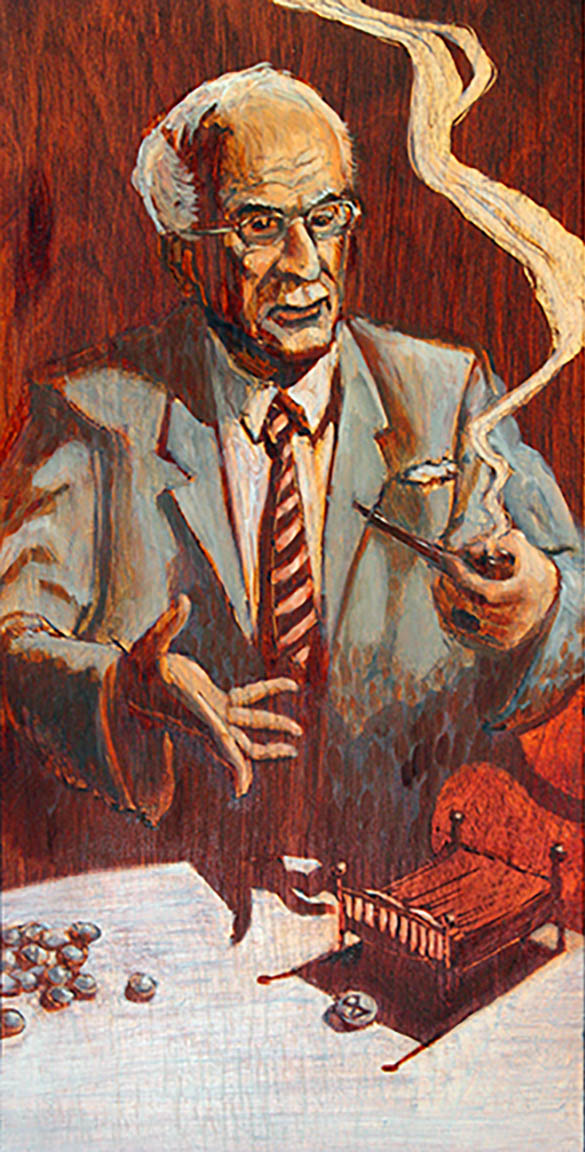
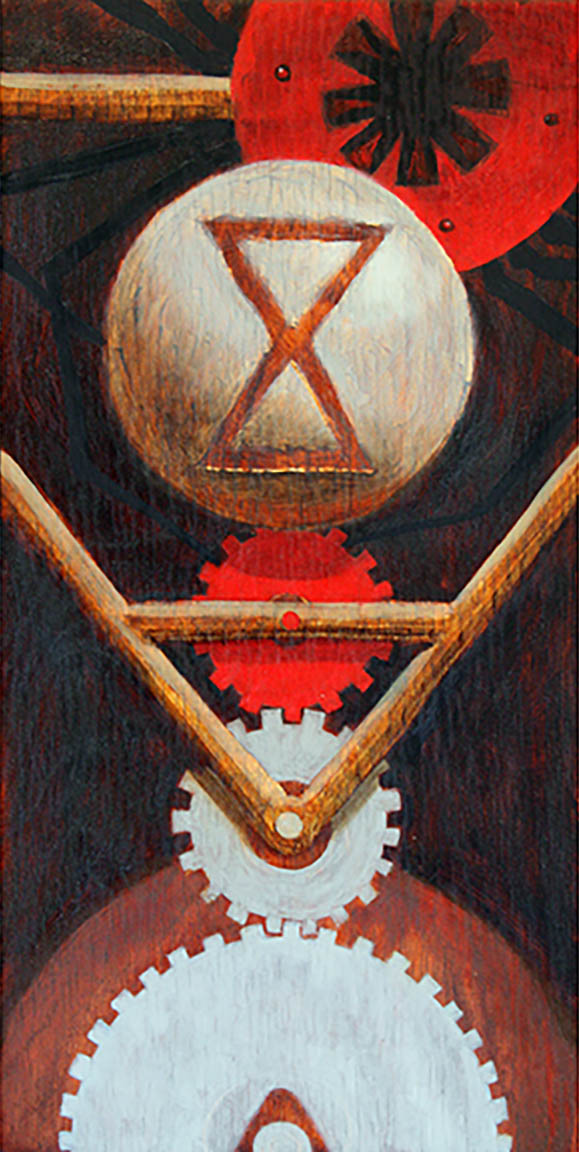
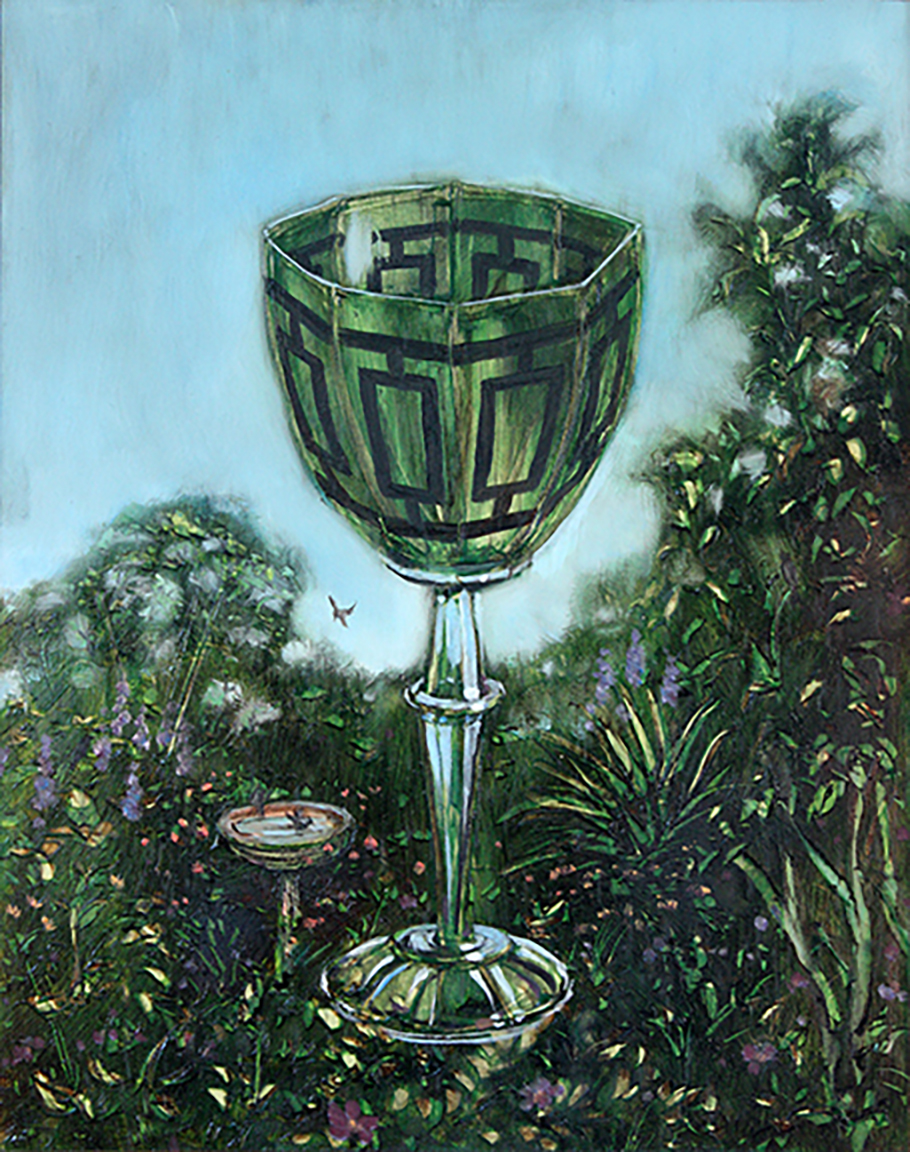
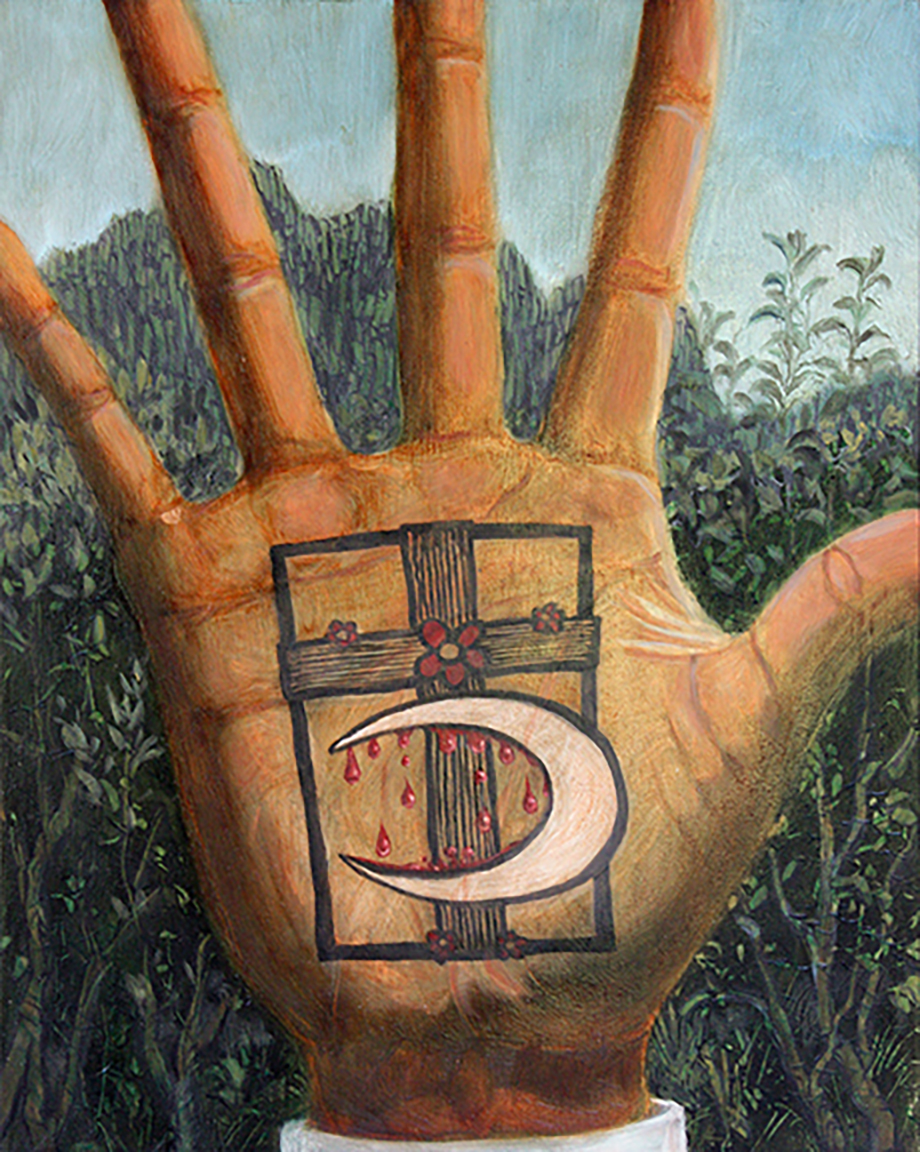
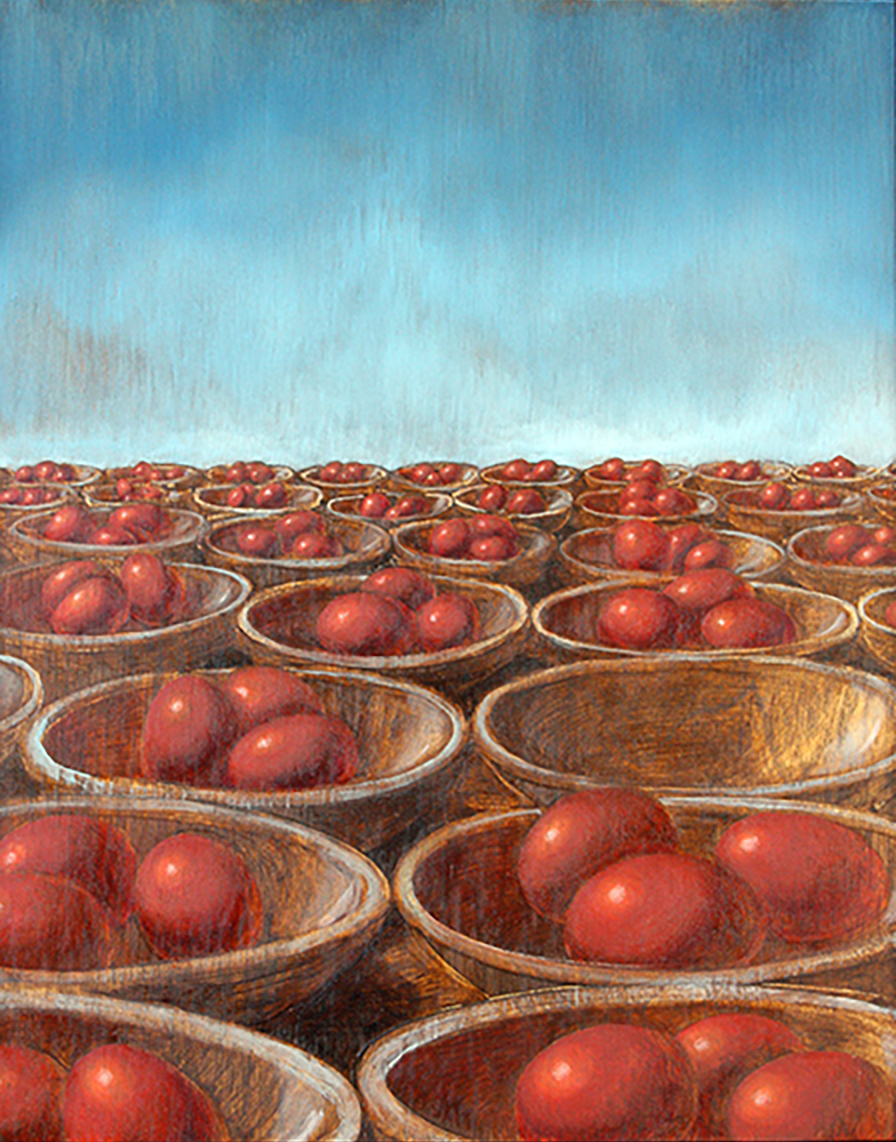
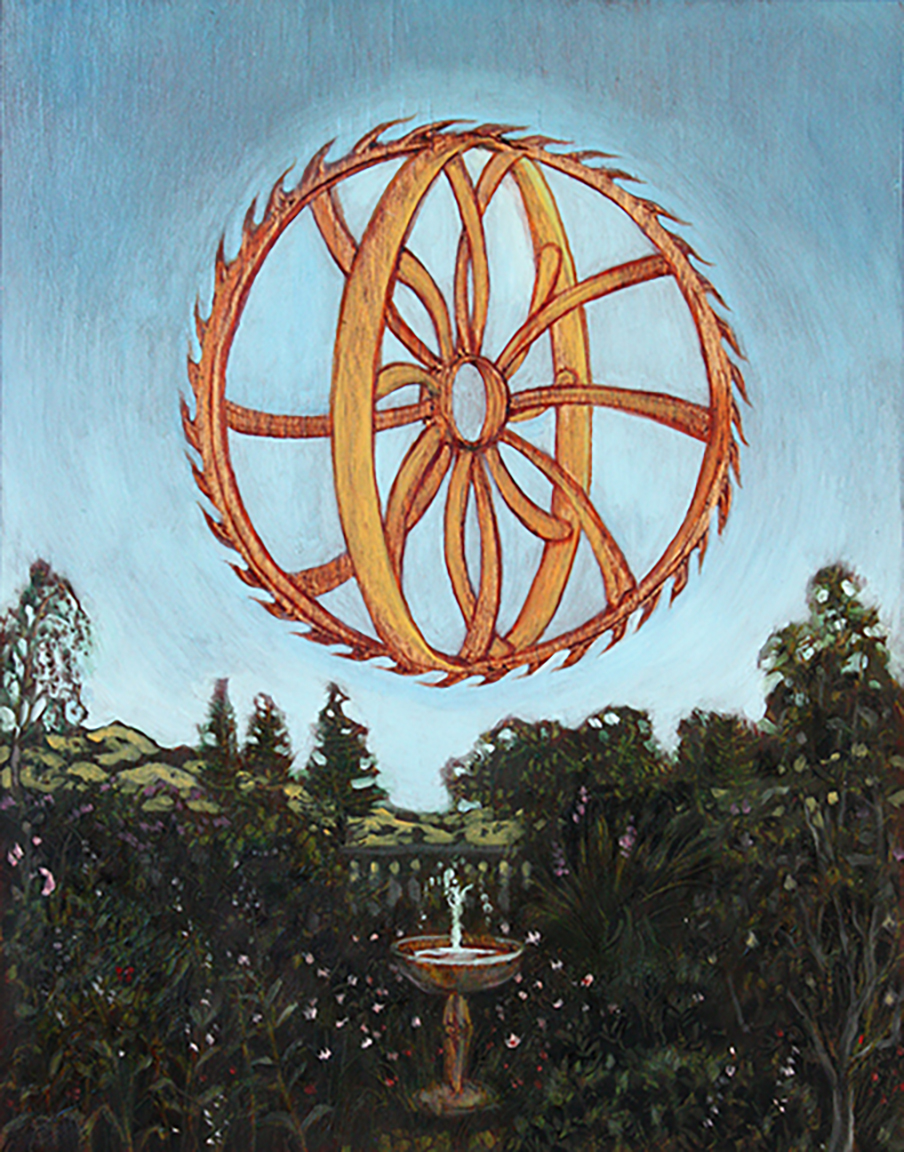
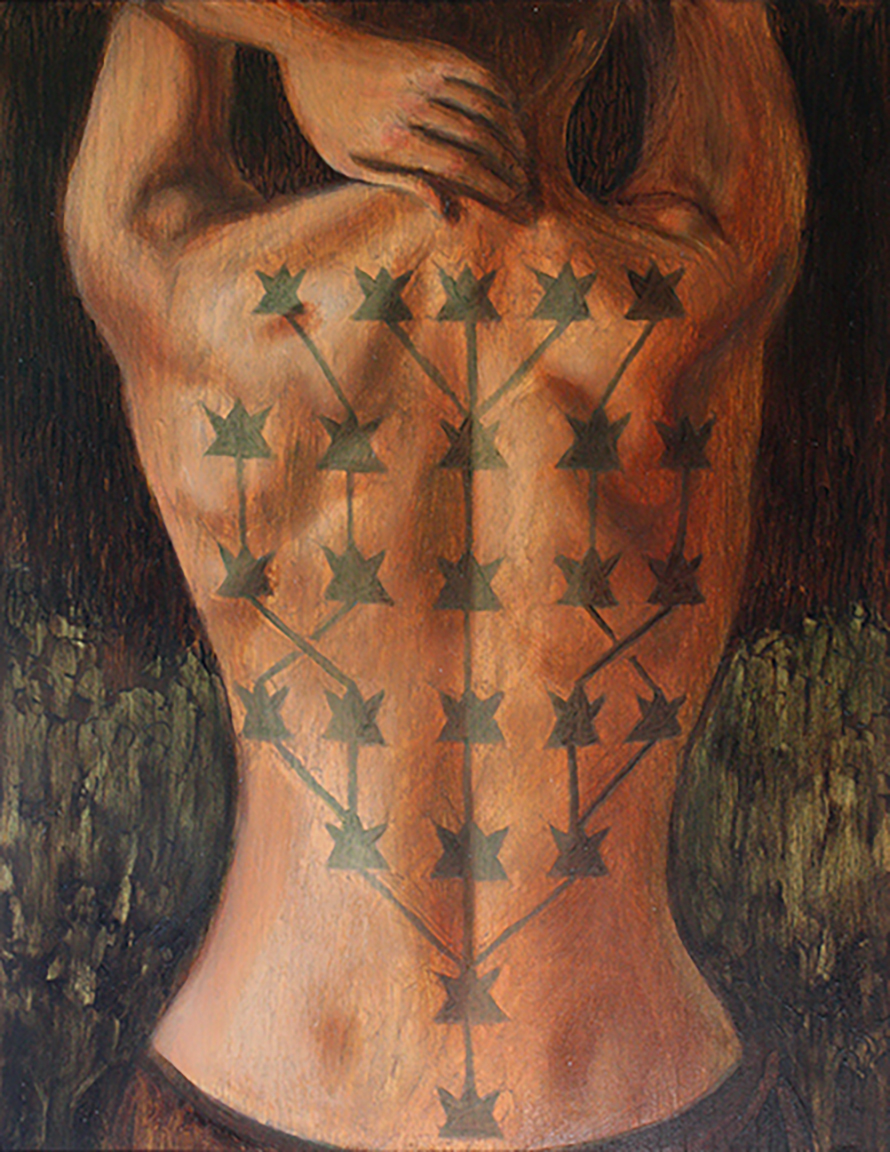
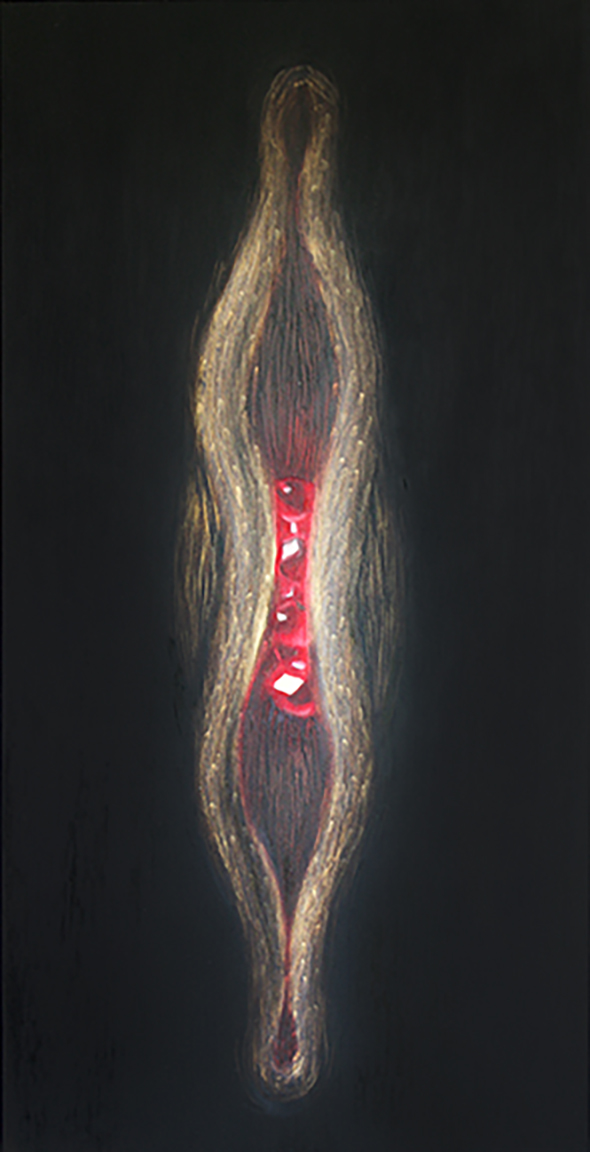
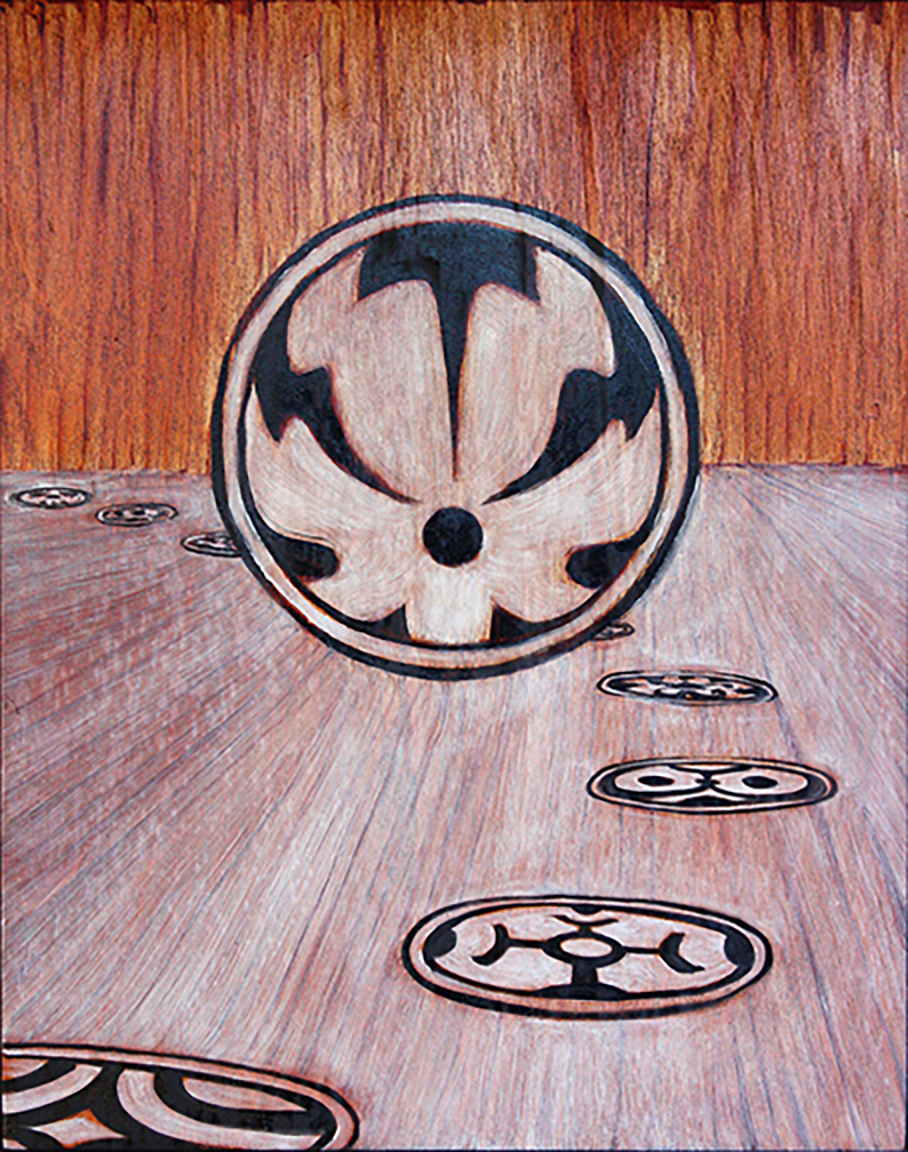
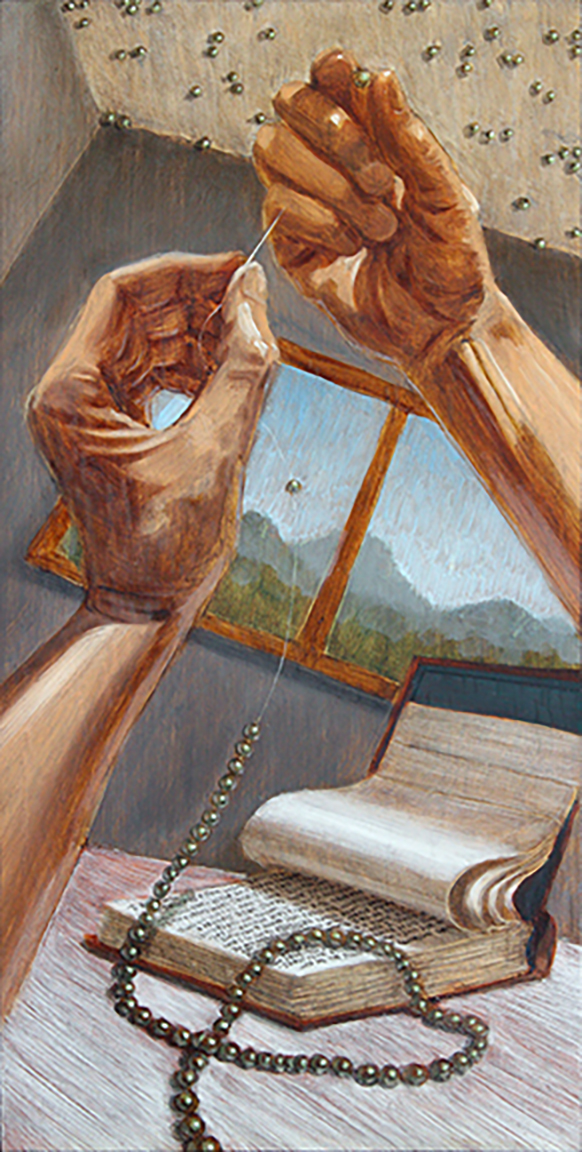
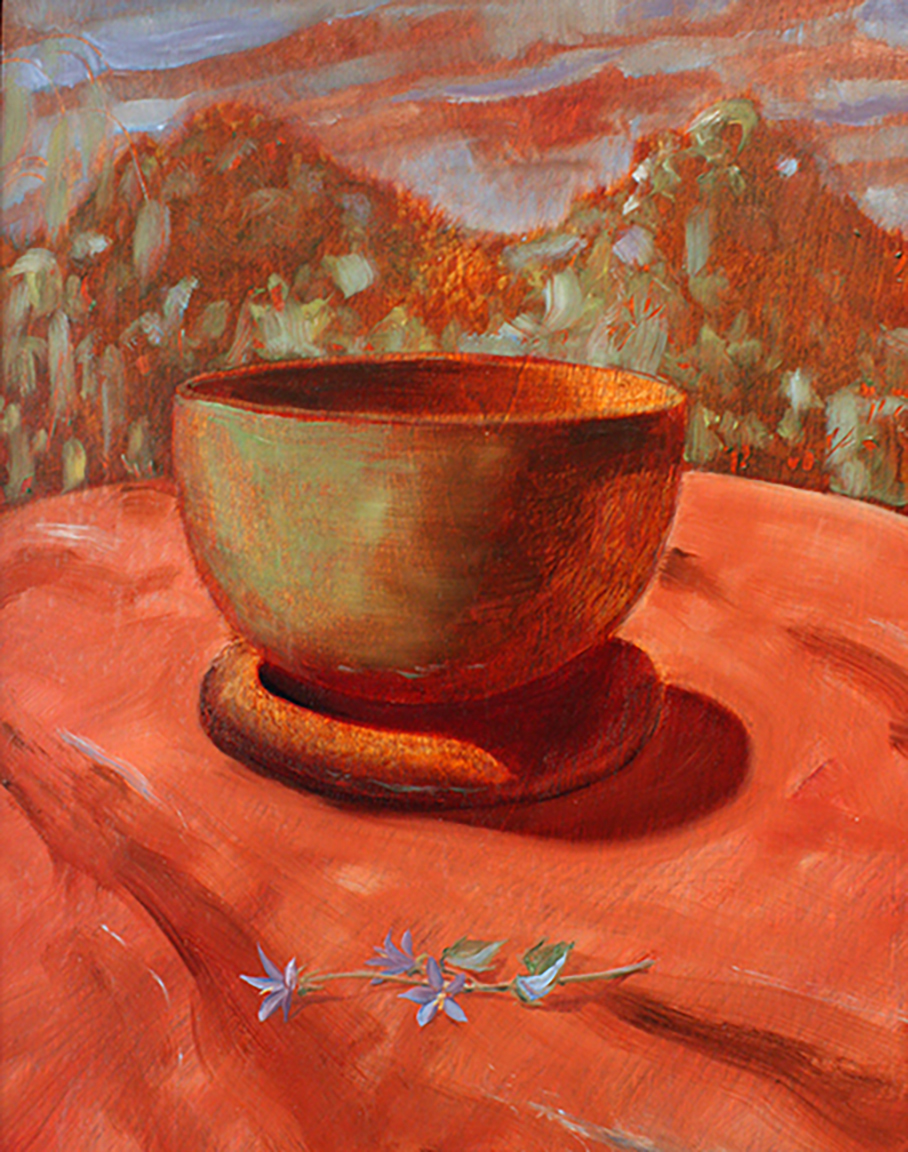
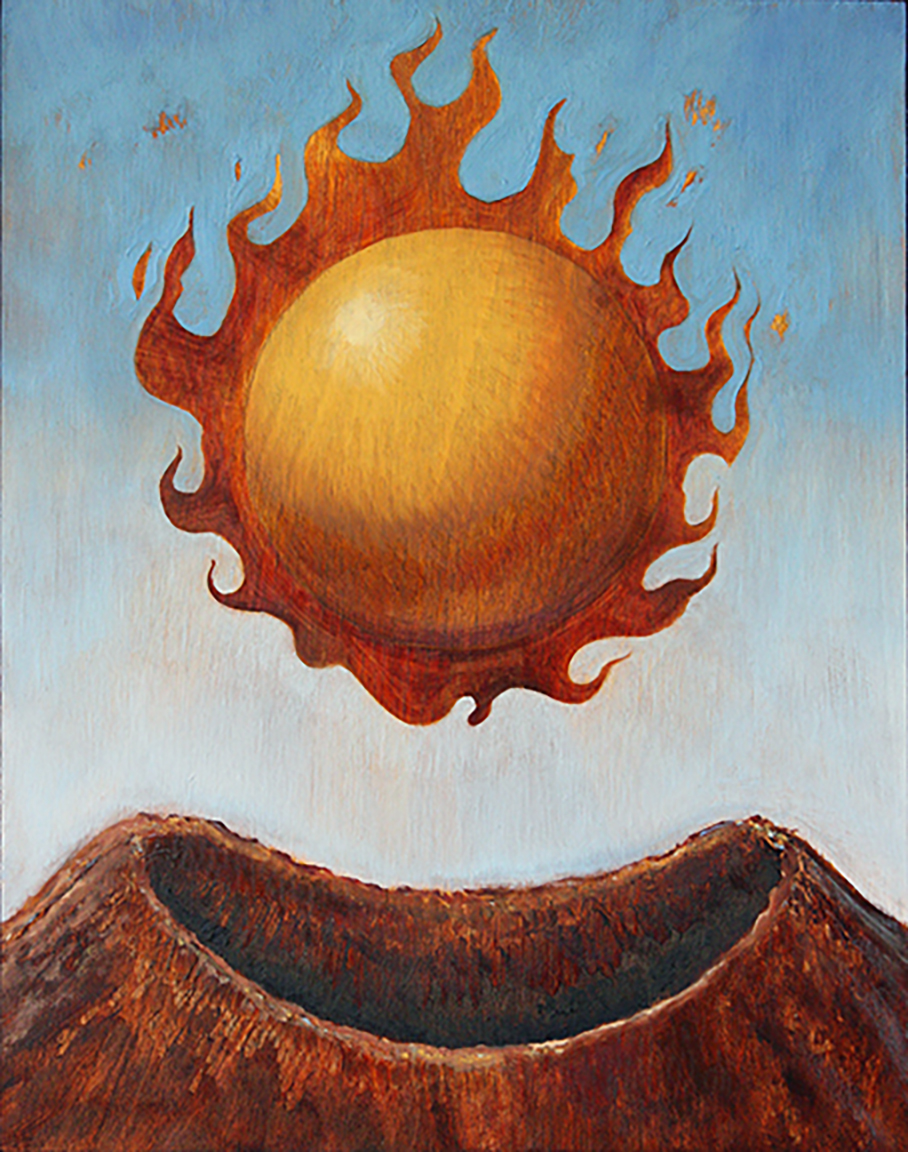
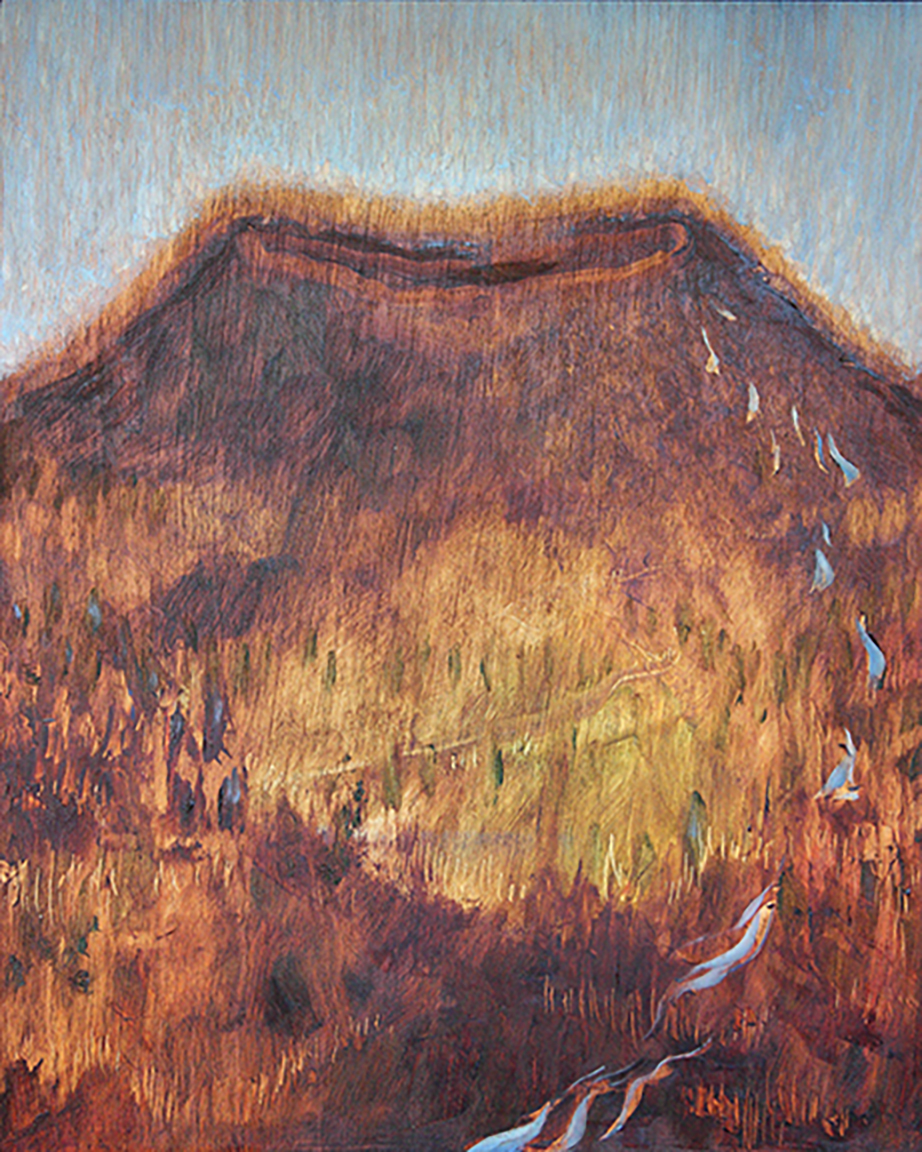
With two exceptions, the paintings in this exhibition feature salient imagery from dreams I feel are worth remembering. The symbolism remains largely enigmatic to me, even after painting them, but in this concrete form the dreams can continue their work--and in new realms, beyond the dreamer.